

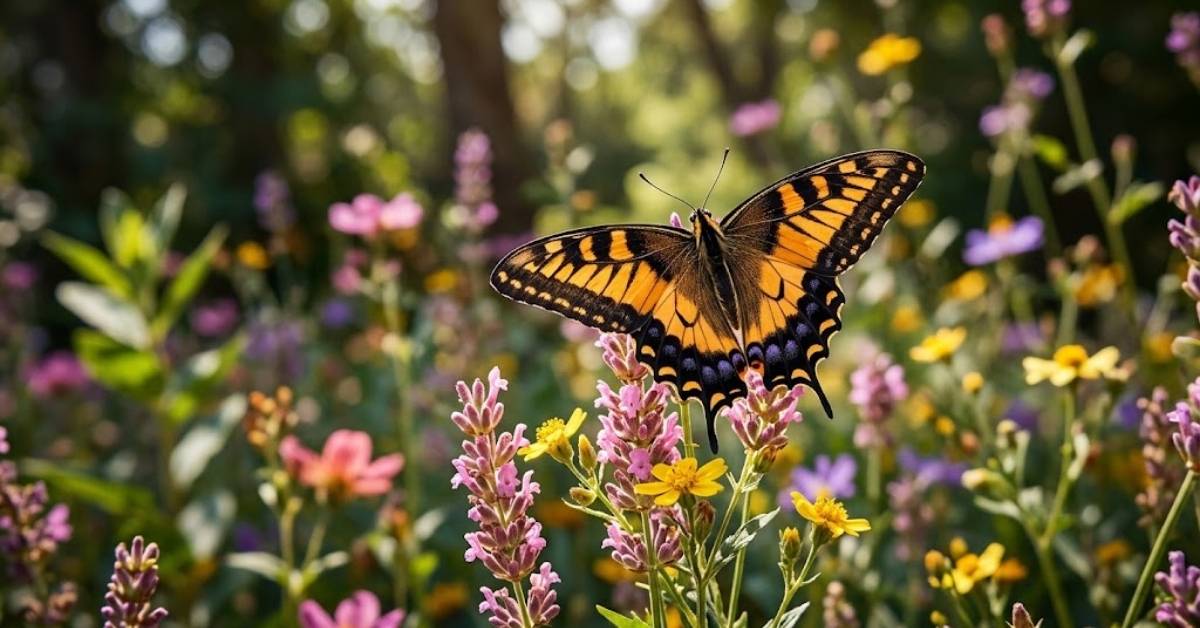
The butterfly is a powerful symbol of transformation, hope, freedom, and new beginnings. Its journey from a caterpillar to a butterfly reminds people that change can lead to something beautiful. Many people use butterfly images, tattoos, jewelry, and emojis to express personal growth. Others connect butterflies with love, spirituality, remembrance, or emotional healing. However, a butterfly doesn’t carry the same meaning for everyone. Its symbolism often depends on personal experiences, cultural beliefs, and the situation in which it appears. In 2026, butterflies remain popular in fashion, art, tattoos, and social media. Understanding their symbolism helps you choose the right design or interpret someone’s message more clearly.
Symbol of Butterfly Meaning – Quick Meaning
The butterfly usually represents transformation, hope, freedom, beauty, and personal growth. Its life cycle makes it a natural symbol of change and renewal. Just as a butterfly develops through different stages, people also experience changes throughout life.
A butterfly can carry several meanings:
- Transformation: Moving beyond an old chapter and embracing change.
- Hope: Finding encouragement during difficult times.
- Freedom: Letting go of limitations and exploring new possibilities.
- Growth: Learning from experiences and becoming more confident.
- Love: Expressing affection, tenderness, or emotional connection.
- Spirituality: Representing the soul, renewal, or spiritual growth in some traditions.
For example, someone might choose a butterfly tattoo after graduating, overcoming a challenge, or starting a new chapter.
Conversation example:
Person A: “Why did you choose a butterfly necklace?”
Person B: “It reminds me that change can bring better things.”
The butterfly’s meaning depends on the person wearing it or sharing it.
Origin & Background
Butterflies have inspired human imagination for centuries. Their remarkable life cycle makes them powerful symbols in art, folklore, literature, and spiritual traditions. The transformation from caterpillar to chrysalis to adult butterfly offers a vivid picture of change and renewal.
Different societies have developed their own interpretations. Some traditions connect butterflies with the soul or the journey beyond earthly life. Others associate them with happiness, romance, freedom, or the arrival of spring.
Today, butterfly symbolism appears in several everyday settings:
- Art and literature: Transformation, beauty, and freedom.
- Jewelry and tattoos: Personal growth, identity, and meaningful life events.
- Fashion: Delicate beauty, individuality, and self-expression.
- Social media: Hope, aesthetic appeal, and fresh beginnings.
- Spiritual practices: Renewal, the soul, or personal awakening, depending on belief.
Modern internet culture also gives butterflies new meanings through emojis, captions, and visual trends. Unlike the unrelated phrase “tralalero tralala meaning,” butterfly symbolism has a long history in art and cultural traditions.
Still, no single interpretation applies to every person or culture. Context matters.
Real-Life Conversations
People often use butterfly symbols to express feelings that words cannot fully explain. A butterfly emoji, picture, or tattoo can suggest hope, freedom, beauty, or change. However, its meaning depends on the conversation. Someone might share a butterfly after achieving a goal. Another person might use it to remember someone special. Before interpreting the symbol, consider the message surrounding it.
Here are realistic examples of how people might use butterfly symbolism in everyday communication.
On WhatsApp, people share butterfly emojis, pictures, and status updates to express personal feelings. A butterfly can represent a fresh start, a happy memory, or a period of personal growth. Friends might use it to celebrate someone’s achievements. Family members may also share butterfly images with encouraging messages.
Conversation example:
Person A: “I finally started my new job today! 🦋”
Person B: “That’s amazing! Here’s to a beautiful new chapter.”
Common WhatsApp uses include:
- Sharing a butterfly after reaching a personal goal.
- Adding one to a motivational status.
- Sending butterfly pictures with birthday wishes.
- Using it in messages about hope and change.
A butterfly emoji doesn’t automatically suggest romance or spirituality. The surrounding words usually provide better clues about the sender’s meaning.
Instagram DMs
Butterflies frequently appear in Instagram DMs because they work well with aesthetic photos, personal captions, and meaningful messages. Someone might send a butterfly emoji to compliment a picture or celebrate a new beginning. Others use it to express encouragement when a friend faces a difficult change.
Conversation example:
Person A: “I cut my hair and started dressing differently.”
Person B: “Your transformation looks amazing 🦋”
The symbol can communicate several ideas:
- Personal growth after a challenging period.
- Appreciation for someone’s style or creativity.
- Support during a fresh start.
- Affection between friends or romantic partners.
However, don’t assume every butterfly emoji carries a hidden message. Sometimes, people simply like butterflies or want their messages to look attractive. If the conversation feels ambiguous, consider the sender’s words and usual communication style before drawing conclusions.
TikTok Comments
On TikTok, butterflies often appear in transformation videos, motivational edits, fashion content, and artistic posts. Creators may use them to represent confidence, personal growth, or a new chapter. The symbol also fits videos featuring nature, soft colors, and dreamy visual effects.
Conversation example:
Creator: “A year ago, I was afraid to start over. Today, everything feels different.”
Commenter: “Your growth is beautiful 🦋”
People may use butterflies in TikTok comments to:
- Celebrate a creator’s progress.
- Compliment an artistic transformation.
- Express hope or encouragement.
- Add a gentle, aesthetic touch to a comment.
Remember that social media trends can influence how symbols appear. A butterfly in a fashion video might simply match the visual theme. In a personal story, it may represent a deeper emotional journey. Always consider the video’s message before deciding what the symbol means.
Text Message
In ordinary text messages, a butterfly can communicate a feeling without requiring a long explanation. Friends might use it after discussing a major life change. Someone starting college, moving away, or beginning a new job might add the emoji to express excitement and hope.
Conversation example:
Person A: “I’m nervous about moving to another city.”
Person B: “New beginnings can be beautiful. You’ve got this 🦋”
A butterfly in a text may suggest:
- Hope during uncertain times.
- Freedom after a difficult experience.
- Excitement about a fresh start.
- Affection or appreciation.
- A personal connection to nature.
Still, emojis don’t have fixed meanings. One person may associate butterflies with happiness, while another connects them with remembrance. If the message seems unclear, look at the conversation as a whole rather than interpreting one symbol in isolation.
Emotional & Psychological Meaning
Butterflies often resonate emotionally because their life cycle offers a familiar picture of change. People experience transitions too. They leave school, build relationships, change careers, and learn to handle difficult situations. The butterfly gives these experiences a visual symbol.
Its meaning may include:
- Personal growth: Recognizing how experiences shape you.
- Hope: Looking toward possibilities after a difficult period.
- Freedom: Feeling ready to make independent choices.
- Vulnerability: Accepting that change can feel uncomfortable.
- Renewal: Beginning again after disappointment or loss.
A butterfly can also remind someone of a loved one or a meaningful life event. These associations are personal rather than universal.
For example, someone might keep a butterfly charm because it reminds them of a grandparent. Another person might choose butterfly artwork to celebrate a fresh start.
The symbol can offer comfort, but it doesn’t prove that someone has healed emotionally. Real growth often takes time, support, and patience.
Usage in Different Contexts
The butterfly symbol appears in fashion, art, personal messages, tattoos, and online conversations. Its meaning changes with the setting. A butterfly necklace may express personal style, while a butterfly in a motivational post may represent hope or transformation.
Consider these common contexts:
- Personal milestones: Graduation, moving, or starting a new chapter.
- Relationships: Affection, admiration, freedom, or emotional growth.
- Art and fashion: Beauty, creativity, nature, and individuality.
- Spiritual settings: Renewal or the soul in certain traditions.
- Social media: Aesthetic appeal, encouragement, and personal expression.
The same image can communicate different ideas to different audiences. For example, a butterfly tattoo might symbolize independence for one person and remembrance for another.
When interpreting a butterfly, consider the person’s explanation, the surrounding message, and the situation. Avoid assigning a definite meaning based only on appearance. Symbols become meaningful through the experiences and beliefs people connect with them.
Social Media
Social media has helped butterfly imagery spread through captions, profile pictures, videos, and aesthetic edits. Instagram and TikTok users often pair butterflies with messages about growth, confidence, and new beginnings. The symbol also appears in fashion photography, nature videos, and inspirational posts.
People use butterfly imagery to:
- Celebrate a personal milestone.
- Add meaning to an Instagram bio.
- Decorate a motivational caption.
- Express hope after a challenging experience.
- Create a soft, dreamy visual style.
Example caption: “Growing through every season of life. 🦋”
However, a butterfly doesn’t always signal a major personal transformation. Some users simply enjoy its colors or delicate appearance. Others follow a trend without attaching a deeper meaning.
The key is to distinguish visual style from personal symbolism. A thoughtful caption may explain the intended message, while a single emoji may leave room for interpretation. Social media gives symbols visibility, but individuals still decide what those symbols mean to them.
Friends & Relationships
In friendships and romantic relationships, butterflies can represent affection, excitement, personal growth, or emotional freedom. Someone might send a butterfly to encourage a friend who is starting over. A couple might choose matching butterfly jewelry to celebrate an important milestone.
The meaning depends on the relationship and the surrounding conversation.
Conversation example:
Person A: “I’m finally learning to put myself first.”
Person B: “That’s the kind of growth worth celebrating 🦋”
Butterflies may express:
- Support during personal change.
- Appreciation for someone’s progress.
- Hope for a healthier relationship.
- A reminder to respect personal freedom.
- Excitement about a shared future.
Some people also use butterflies to describe the nervous excitement associated with a crush. However, a butterfly emoji alone doesn’t prove romantic interest.
If you’re unsure what someone means, pay attention to their words and actions. Honest communication offers more reliable clues than guessing at the meaning of a symbol.
Work / Professional Settings
Butterfly symbolism can appear in professional settings, especially in creative industries, wellness projects, design presentations, and personal branding. It may represent innovation, growth, adaptability, or a company’s new direction.
For example, a designer might use a butterfly in a presentation about rebranding. A nonprofit could choose the symbol for a campaign about renewal or environmental awareness.
Appropriate uses include:
- Creative presentations about change.
- Branding related to nature or personal development.
- Workplace celebrations of new beginnings.
- Visual materials for relevant community projects.
However, professional communication usually requires clear wording. A butterfly emoji in a formal email may feel too casual unless the workplace culture welcomes emojis.
Instead of relying on the symbol alone, explain your message directly. For example, write, “This project represents a fresh start for our team.”
The butterfly can strengthen a visual message, but it shouldn’t replace clear professional language.
Casual vs Serious Tone
A butterfly can feel playful, hopeful, emotional, or deeply personal. The tone depends on where it appears and what accompanies it. A butterfly after a cheerful announcement usually feels lighthearted. The same symbol in a memorial post may carry a more serious meaning.
Compare these examples:
- Casual: “New haircut, new vibes 🦋”
- Hopeful: “One step closer to the life I want.”
- Emotional: “Your memory still brings me comfort.”
- Professional: “Our team is entering a new phase of growth.”
When interpreting the symbol, consider the caption, image, relationship, and situation. Emojis can add warmth, but they don’t always explain the sender’s feelings.
If someone shares a butterfly during a serious discussion, avoid responding with jokes until you understand the context. A thoughtful reply shows that you respect their feelings.
The symbol itself stays the same. The surrounding message changes its emotional weight.
When NOT to Use It
Butterfly symbolism works well in many settings, but it isn’t suitable for every situation. A symbol that feels comforting to one person might seem confusing or inappropriate to another. Serious conversations often need clear words rather than decorative emojis.
Avoid relying on butterfly imagery when:
- Someone needs direct answers during an urgent situation.
- A person shares painful news and needs practical support.
- You’re writing a formal report or professional complaint.
- The symbol could trivialize another person’s beliefs or experiences.
- You don’t understand the meaning behind someone’s personal tattoo.
For example, if a friend shares upsetting news, a butterfly emoji alone may feel dismissive. A caring message would offer more support.
Better response: “I’m sorry you’re dealing with this. I’m here to listen.”
You can still use butterflies in emotional messages when they feel appropriate. Just make sure the symbol supports your words instead of replacing genuine care, clarity, and respect.
Common Misunderstandings
Butterflies carry several meanings, which makes them easy to misinterpret. People sometimes assume the symbol always represents beauty, happiness, or spirituality. In reality, its meaning depends on personal experiences and cultural context.
Here are four common misconceptions worth understanding:
- A butterfly isn’t only a decorative image.
- Its meaning isn’t always religious or spiritual.
- It doesn’t guarantee happiness or positive change.
- Its use doesn’t always indicate a deep emotional message.
For example, someone might choose a butterfly tattoo because they love nature. Another person might associate butterflies with a personal milestone.
Neither interpretation is more correct than the other. Both reflect individual preferences.
When you encounter butterfly symbolism, avoid jumping to conclusions. Look at the surrounding message and consider what the symbol means to the person using it. If necessary, ask politely instead of assuming you already know the answer.
1. It Only Means Beauty
Butterflies are beautiful insects, so people often associate them with elegance, delicate colors, and artistic expression. However, their symbolism extends far beyond physical beauty. Their life cycle makes them a familiar representation of change and personal development.
A butterfly might symbolize someone’s decision to leave an unhealthy situation, begin a new career, or embrace a different identity. It can also represent freedom and hope during uncertain times.
Consider this example:
Person A: “Why does your journal have butterflies everywhere?”
Person B: “They remind me how much I’ve grown.”
The symbol can express inner strength rather than outward appearance. It may also reflect creativity, nature, or personal memories.
Although beauty remains one interpretation, it doesn’t define every butterfly design. Understanding the person’s reason for using the symbol gives you a clearer picture of its meaning.
2. It’s Only Spiritual
Some people connect butterflies with spirituality, the soul, or renewal after death. These interpretations appear in certain religious traditions, cultural beliefs, and personal experiences. However, spirituality represents only one part of butterfly symbolism.
Many people choose butterflies for ordinary, nonreligious reasons. They might appreciate their appearance, admire their life cycle, or associate them with freedom and personal growth.
For example, a student could use a butterfly as a graduation symbol. A designer might include one in an artwork about nature. Neither choice needs a spiritual explanation.
Butterflies can represent:
- Personal change.
- Creative expression.
- Hope and renewal.
- Freedom and independence.
- Nature and environmental appreciation.
No single interpretation applies to everyone. If someone describes a butterfly as a spiritual sign, respect their personal belief without treating it as a universal fact. Likewise, don’t assume someone follows a spiritual tradition simply because they wear butterfly jewelry or share butterfly pictures.
3. It Always Means Happiness
Butterflies often appear in cheerful artwork, colorful clothing, and uplifting social media posts. This association can make people assume the symbol always represents happiness. However, butterflies can also express sadness, remembrance, uncertainty, or hope during difficult times.
Someone might choose a butterfly tattoo to remember a loved one. Another person may use it to mark the end of a difficult chapter. These meanings can involve mixed emotions rather than simple happiness.
Conversation example:
Person A: “Why did you post a butterfly today?”
Person B: “It reminds me that I can keep growing after a difficult year.”
The symbol can acknowledge pain while looking toward the future. It doesn’t mean every challenge has disappeared.
When interpreting a butterfly, pay attention to the accompanying words. A hopeful symbol may appear in a serious context, and that doesn’t make its meaning less genuine. Sometimes, hope matters most when life feels complicated.
4. It’s Just Aesthetic
Butterflies are popular in graphic design, fashion, jewelry, and social media because they create a delicate, recognizable visual effect. Many people use them simply because they like the appearance. Still, aesthetic choices can also carry personal meaning.
A butterfly on a phone wallpaper might remind someone of childhood. A necklace might represent independence or a fresh start. A butterfly tattoo may reflect an important life experience.
Both simple decoration and deeper symbolism are valid.
For example, someone might add a butterfly to an Instagram bio because it matches their style. Another person might choose the same emoji after overcoming a major challenge.
You shouldn’t assume every butterfly has a hidden message. Likewise, don’t dismiss someone’s meaningful symbol as mere decoration.
The best interpretation comes from context. If the person explains why the butterfly matters, their explanation carries more weight than general assumptions about what it represents.
Comparison Table
Butterflies can symbolize different ideas depending on the setting, design, and personal association. Comparing them with other familiar symbols can help you understand their possible meanings.
| Symbol | Common interpretation | Typical context |
| Butterfly 🦋 | Transformation and hope | Personal growth, art, tattoos |
| Phoenix | Rebirth after hardship | Stories, artwork, tattoos |
| Lotus flower | Renewal and spiritual growth | Art and spiritual traditions |
| Dove | Peace and harmony | Religious imagery, memorials |
| Heart ❤️ | Love and affection | Relationships and messages |
| Sun ☀️ | Warmth, energy, and optimism | Captions, art, greetings |
| Dragonfly | Change and adaptability | Nature-inspired designs |
These meanings aren’t fixed rules. A phoenix may represent resilience to one person and mythology to another. Similarly, butterflies can express remembrance, beauty, or independence.
Choose a symbol based on the message you want to communicate. If you’re interpreting someone else’s design, consider its context before deciding what it means.
How to Respond When Someone Uses It
When someone shares a butterfly symbol, your response should match the conversation. A cheerful post might invite a playful comment. A personal message about growth may deserve a thoughtful reply. Meanwhile, a memorial post calls for sensitivity rather than jokes.
You can respond by:
- Acknowledging the person’s achievement.
- Asking about the symbol’s personal meaning.
- Sharing encouragement when appropriate.
- Matching their casual tone.
- Offering support during difficult moments.
Conversation example:
Person A: “This butterfly reminds me of how far I’ve come.”
Person B: “That’s beautiful. You have plenty to be proud of.”
Don’t assume the symbol means romance, sadness, or spirituality without further context. A simple, kind response usually works well.
If you’re unsure what the person intends, ask an open question. Something like “Does the butterfly have a special meaning for you?” shows interest without making assumptions.
Casual Replies
Casual replies work well when a friend shares a butterfly emoji, picture, or caption without a serious message. Keep your response natural and friendly. You don’t need to explain the symbolism every time someone posts a butterfly.
Here are a few simple replies:
- “Love the butterfly vibe! 🦋”
- “Such a pretty picture!”
- “New beginnings look good on you.”
- “That’s a beautiful way to express growth.”
- “The colors are amazing!”
- “A little reminder to keep going.”
Conversation example:
Person A: “New chapter, new energy 🦋”
Person B: “Hope this chapter brings you great things!”
Choose a reply that fits your relationship. If the person enjoys short messages, keep yours brief. If their post shares a meaningful milestone, a little extra encouragement may feel more thoughtful.
The goal isn’t to decode every symbol. It’s to respond naturally to what the person actually shares.
Funny Replies
A butterfly can also inspire playful responses, especially among friends who enjoy humor. These replies work best when the conversation is lighthearted. Avoid joking about someone’s emotional experiences unless you know they welcome that kind of humor.
Try these examples:
- “Officially entering your butterfly era! 🦋”
- “Character development looks good on you.”
- “Main character transformation unlocked!”
- “Nature really said, ‘New look, who dis?'”
- “Serving wings and fresh-start energy!”
- “The glow-up has its own soundtrack.”
Conversation example:
Person A: “I’m changing my whole routine this year 🦋”
Person B: “New season, new character arc!”
Humor can make a conversation feel relaxed and personal. However, context matters. A butterfly posted alongside a memorial or a sensitive message shouldn’t automatically invite jokes.
When in doubt, follow the sender’s tone. A little humor can brighten a casual chat, but kindness should always come first.
Mature Replies
Mature replies acknowledge the meaning behind a butterfly without exaggerating its significance. They work well when someone shares a personal achievement, describes a fresh start, or reflects on their experiences.
You might say:
- “Growth takes time, and you’re making progress.”
- “Here’s to the next chapter.”
- “It’s wonderful to see how far you’ve come.”
- “Change isn’t always easy, but it can teach us a lot.”
- “I hope this new beginning brings you peace.”
- “You should feel proud of your progress.”
Conversation example:
Person A: “The butterfly reminds me to keep moving forward.”
Person B: “That’s a meaningful reminder. Every step counts.”
A mature response doesn’t need to sound formal or overly serious. Speak naturally and acknowledge what matters to the other person.
If they haven’t explained the symbol’s meaning, avoid assuming they experienced a particular hardship. Focus on the message they’ve actually shared rather than inventing a story around it.
Respectful Replies
Respectful replies are especially useful when butterfly symbolism connects to grief, spirituality, or an important personal experience. The symbol might represent a loved one, a period of change, or a belief that holds deep meaning for the sender.
Consider these responses:
- “Thank you for sharing something so meaningful.”
- “I hope it brings you comfort.”
- “That’s a beautiful way to remember someone.”
- “I respect what the symbol means to you.”
- “I’m glad it gives you hope.”
- “Would you like to tell me more about it?”
Conversation example:
Person A: “Butterflies remind me of my grandmother.”
Person B: “That’s really special. I hope those memories bring you comfort.”
Respectful communication means allowing people to explain their own experiences. You don’t need to share the same beliefs to show understanding.
If the person seems upset, listen before offering advice. Sometimes, a thoughtful response matters far more than finding the perfect words.
Regional & Cultural Usage
Butterfly symbolism appears across many societies, but its meaning varies by tradition, personal belief, and local context. Some people associate butterflies with the soul or remembrance. Others focus on beauty, freedom, nature, and transformation.
Cultural interpretations can influence how people use butterfly designs in clothing, art, jewelry, and celebrations. However, broad labels don’t tell the whole story. People within the same country or community may interpret the symbol differently.
When discussing regional meanings, consider:
- Local folklore and traditional stories.
- Religious beliefs and personal experiences.
- Art, fashion, and popular culture.
- Family traditions and individual preferences.
- The setting in which the symbol appears.
For example, a butterfly in a memorial design may carry a different meaning from one printed on a fashion accessory.
It’s best to discuss specific traditions when reliable information supports them. Avoid assuming that everyone from a particular region shares the same beliefs. Cultural awareness starts with curiosity and respect, not stereotypes.
Western Culture
In many Western cultural settings, butterflies commonly symbolize transformation, freedom, beauty, and personal growth. Their life cycle offers a familiar metaphor for change. This association appears in books, artwork, tattoos, jewelry, and motivational messages.
People may choose butterfly designs to celebrate milestones or express individuality. Others connect butterflies with remembrance, hope, or emotional renewal. The meaning depends on the person and the surrounding context.
Common examples include:
- Butterfly tattoos marking important life changes.
- Jewelry representing personal growth.
- Nature-inspired artwork celebrating freedom.
- Social media captions about fresh beginnings.
- Memorial designs honoring loved ones.
Example: Someone might choose a butterfly tattoo after graduating because it represents a new chapter.
These interpretations are common, but they aren’t universal across Western countries. Family traditions, religious beliefs, and personal experiences can influence symbolism just as much as popular culture.
The most accurate interpretation comes from understanding the person’s reason for choosing the butterfly rather than assuming one standard meaning.
Asian Culture
Butterfly symbolism appears in several Asian artistic and cultural traditions, although interpretations vary widely between countries and communities. In some Chinese artistic traditions, butterflies can represent love, joy, or marital happiness. In Japanese art and folklore, butterflies may carry associations with beauty, transformation, or the soul.
These meanings depend on the specific tradition, story, and artistic setting. They shouldn’t be treated as beliefs shared by every Asian person.
Butterflies may appear in:
- Traditional paintings and decorative arts.
- Wedding-related designs and romantic imagery.
- Literature and folklore.
- Contemporary fashion and jewelry.
- Modern tattoos and social media posts.
For example, a butterfly motif in a traditional artwork may have a different cultural meaning from a butterfly emoji in a casual message.
If you’re researching a specific symbol, identify its country, historical period, and artistic context. That approach provides a more accurate explanation than assigning one meaning to an entire continent.
Middle Eastern Culture
In Middle Eastern communities, butterfly symbolism can reflect personal taste, nature, beauty, or individual interpretations of transformation. Its meaning may also connect to a person’s religious beliefs, family traditions, or experiences.
However, there isn’t one universal Middle Eastern interpretation of butterflies. The region includes diverse countries, languages, religious communities, and artistic traditions. A butterfly tattoo, necklace, or social media emoji may carry different meanings for different people.
Possible modern uses include:
- Fashion accessories featuring butterfly designs.
- Artwork representing nature and change.
- Personal messages about hope.
- Jewelry celebrating a new beginning.
- Creative designs inspired by flowers and wildlife.
For example, someone might wear butterfly jewelry simply because they appreciate its appearance. Another person may choose it to represent personal growth.
Avoid assuming that a butterfly automatically signals a particular religious belief or cultural message. When the meaning matters, ask the person respectfully or consult a reliable source about the specific tradition.
Global Internet Usage
Butterfly imagery has become recognizable across global internet usage. Social media platforms, digital artwork, fashion trends, and messaging apps make it easy to share the symbol worldwide. People often use the butterfly emoji to express hope, beauty, freedom, or personal transformation.
Its visual appeal also makes it useful in short captions and profile descriptions. A single butterfly can complement a message without requiring a long explanation.
Common online uses include:
- Adding 🦋 to an Instagram bio.
- Celebrating change in a TikTok caption.
- Sharing butterfly artwork on social media.
- Decorating motivational posts and memes.
- Sending encouraging messages through chat apps.
Still, online trends don’t create one universal definition. Some users choose butterflies for their appearance, while others attach deeper personal meanings.
If a butterfly appears in a message, read the surrounding text before interpreting it. The sender’s words, relationship with you, and communication style offer better clues than the emoji alone.
Generational Differences
Different generations may use butterfly symbols in different ways, although personal preferences often matter more than age. Younger users might include butterflies in aesthetic profiles, fashion posts, or short social media captions. Older users may also use them to represent hope, nature, remembrance, or personal milestones.
These are possibilities rather than strict generational rules. Someone’s interests and experiences can shape their choices more strongly than their birth year.
For example:
- A teenager might add 🦋 to a favorite photo.
- A college student might use it to celebrate graduation.
- An adult might choose a butterfly tattoo to mark personal growth.
- An older person might connect butterflies with treasured memories.
Digital trends can influence how symbols appear, but they don’t erase older meanings. The butterfly’s association with transformation remains recognizable across many settings.
Instead of guessing someone’s intention based on age, consider the message and ask questions when necessary. That approach avoids misunderstandings and keeps communication natural.
Is It Safe for Kids?
Butterfly symbols are generally suitable for children. The butterfly itself represents a familiar insect, and people commonly use its image in books, clothing, crafts, stickers, and educational materials.
Children may enjoy butterflies because of their colors and connection to nature. Parents and teachers can also use the butterfly’s life cycle to explain growth and change.
Age-appropriate activities include:
- Drawing butterfly pictures.
- Learning about metamorphosis.
- Creating nature-themed crafts.
- Reading stories about butterflies.
- Using butterfly stickers in school projects.
The symbol itself usually poses no concern. However, context still matters when children encounter online content. Some images or messages may include themes that require an adult’s explanation.
Parents can encourage children to ask questions about unfamiliar symbols instead of assuming their meanings. They can also explain that emojis don’t always communicate feelings clearly.
Overall, butterflies offer a simple way to discuss nature, creativity, and personal growth while helping children develop curiosity and thoughtful communication habits.
FAQs
The butterfly symbol can represent several ideas, from personal transformation to hope and beauty. These frequently asked questions explain its common meanings and how context influences interpretation.
1. What does the butterfly symbolize in life?
A butterfly commonly symbolizes transformation, hope, freedom, and personal growth. Its life cycle represents change and renewal. People may use butterfly imagery to celebrate a new beginning, remember someone special, or express their desire to move forward. However, the meaning depends on personal experience and cultural context. For one person, a butterfly may represent independence. For another, it may serve as a reminder of a loved one. Its symbolism isn’t limited to happiness or beauty. The butterfly can also represent the courage to accept change, even when the future feels uncertain.
2. Is the butterfly a spiritual symbol?
Yes, butterflies hold spiritual meaning in some religious traditions and personal belief systems. People may associate them with the soul, renewal, transformation, or life beyond death. However, these interpretations aren’t universal. Others appreciate butterflies for their natural beauty or use them to represent personal growth without any spiritual connection. A butterfly tattoo or necklace doesn’t automatically indicate a particular religious belief. Its meaning depends on the person’s intentions and background. If someone describes a butterfly as a spiritual sign, respect their interpretation without assuming that everyone shares the same belief.
3. Why do people relate to butterflies emotionally?
People often relate to butterflies because their life cycle offers a powerful image of change. A caterpillar’s transformation into a butterfly reminds people of their own experiences with growth, learning, and new beginnings. Someone might connect the symbol with graduation, recovery from a difficult period, or the memory of a loved one. Butterflies also evoke feelings of freedom, beauty, and hope. These associations can make the symbol emotionally meaningful even when people interpret it differently. A butterfly doesn’t prove that someone has overcome every challenge. Instead, it may represent their hopes, memories, or desire to keep growing.
4. Does it always mean positive change?
No, a butterfly doesn’t always represent positive change. Although people commonly associate it with hope and renewal, the symbol can also express sadness, remembrance, uncertainty, or mixed emotions. Someone might choose a butterfly to remember a loved one or mark the end of an important chapter. These experiences can involve both pain and hope. The symbol doesn’t guarantee that a difficult situation will improve. Instead, it may reflect someone’s response to change or their wish to move forward. Consider the surrounding message and personal context before interpreting a butterfly as a sign of happiness.
5. What does it mean in relationships?
In relationships, butterflies can symbolize affection, excitement, personal growth, or emotional freedom. Someone might send a butterfly emoji to encourage a partner who is starting a new chapter. Friends may use it to celebrate each other’s progress or express appreciation. The symbol can also describe the nervous excitement associated with having a crush. However, a butterfly emoji doesn’t automatically mean romantic interest. Some people use it simply because they like its appearance or associate it with happiness. To understand its meaning, consider the conversation, your relationship with the sender, and the words accompanying the symbol.
6. Is it okay to use casually?
Yes, you can use butterfly symbols casually in texts, social media posts, captions, and everyday conversations. Many people add the butterfly emoji to express hope, celebrate a fresh start, or decorate a message. It can also complement nature photography or an artistic post. However, consider the situation before using it. A playful butterfly emoji may fit a cheerful announcement but feel insufficient when someone needs serious emotional support. In professional settings, follow your workplace’s communication style. The symbol doesn’t require a deep explanation every time you use it. Choose it when it fits your message and feels natural.
7. Why is it popular on social media?
Butterflies remain popular on social media because they combine visual appeal with recognizable symbolic meanings. Their colorful wings work well in photography, digital artwork, fashion content, and profile designs. The butterfly emoji also offers a quick way to express hope, freedom, transformation, or a fresh beginning. Creators may use it in motivational videos, personal updates, and aesthetic captions. Others simply enjoy its appearance. Social media trends help spread butterfly imagery across different communities, although its meaning varies between users. A butterfly in a post may carry a personal message, match a visual theme, or serve as a decorative detail.
Conclusion
The butterfly is a meaningful symbol of transformation, hope, freedom, and personal growth. Its journey through different life stages makes it a natural reminder that change can open new possibilities. People use butterfly imagery in tattoos, jewelry, artwork, captions, and everyday messages to express these ideas.
However, butterflies don’t carry one fixed meaning. Some people associate them with spirituality or remembrance, while others appreciate their beauty and connection to nature. In relationships and online conversations, the surrounding words help clarify the intended message.
If you’re choosing a butterfly design, consider what you want it to represent. If someone shares a butterfly with you, avoid making assumptions about their feelings or beliefs. A thoughtful question can reveal more than the symbol alone.
Ultimately, the butterfly reminds us that growth takes many forms. Its meaning becomes most powerful when it connects with someone’s own experiences, memories, and hopes.
